This article explains how companies can build an effective ESG communication strategy to earn stakeholder trust, avoid greenwashing accusations, and stay aligned with international standards.
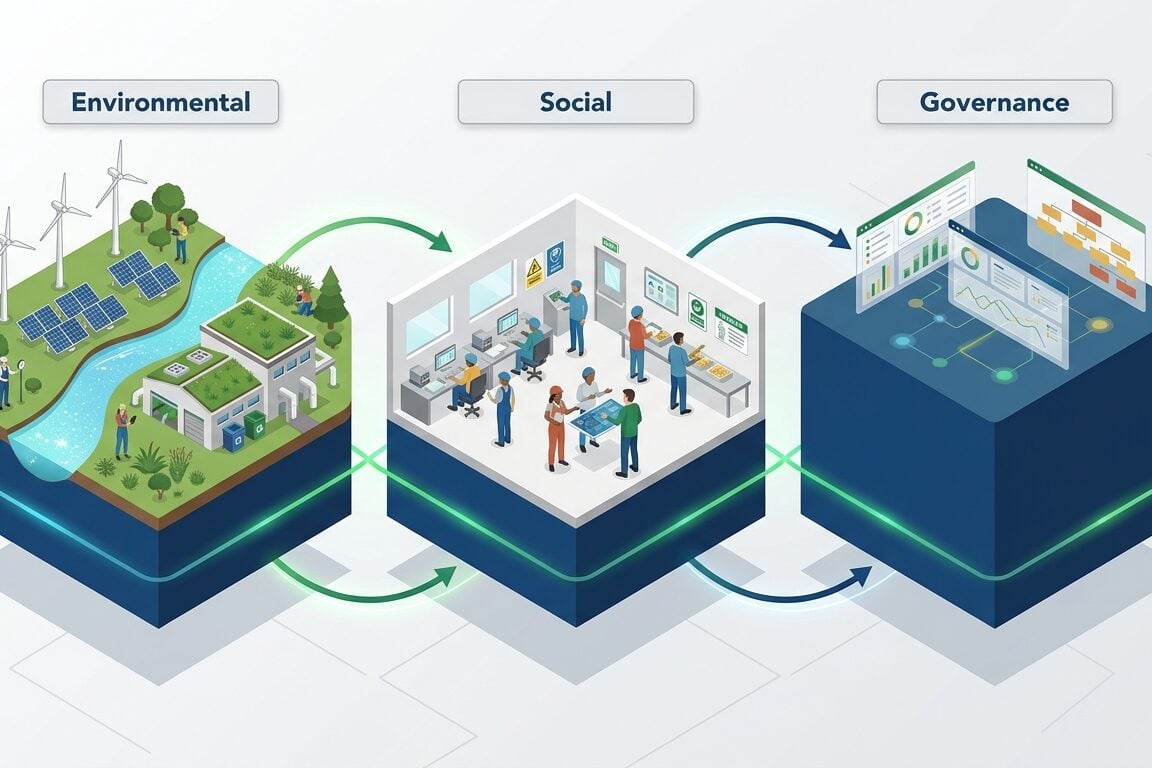
ESG stands for Environmental, Social, and Governance. Increasingly, companies are adopting ESG as a framework for explaining their corporate responsibility goals and progress.
How To Build Your ESG Communication Strategy
- Listen to your team: Understanding your team’s expectations is key to developing an effective communication strategy that addresses their concerns and meets their expectations. It helps clarify the team’s current situation and guides how to communicate effectively to involve everyone.
- Set clear expectations: Outline goals, potential obstacles, and plans from the beginning. Share a compelling vision to motivate your team, build buy-in, and drive action toward your ESG strategy.
- Identify potential risks early: Any ESG strategy can face limitations. Recognizing and clearly communicating these risks helps ensure program success. Identifying them enables better mitigation planning.
- Honesty and transparency: Clear communication earns goodwill and can lead to new solutions or strategies from your team. Promoting open, honest dialogue encourages feedback and creates a receptive environment.
- Review your communication strategy: Your ESG strategy should include tracking what’s effective and what’s not. Identify areas where increased communication could help and recognize efforts that may not be yielding results.
Why ESG Communication Matters
ESG communication matters to:
- Build Trust with Stakeholders: Investors, customers, and employees seek authentic care that goes beyond profits. Being transparent about your ESG initiatives demonstrates your commitment to creating a positive impact, which in turn builds trust.
- Strengthen Your Connections: Effective communication helps your audience feel connected to your mission. Research supports this—companies with clear ESG messaging often enjoy stronger customer loyalty and happier employees.
- Stay on the Right Side of Compliance: Being transparent about your ESG objectives not only aligns you with international standards such as the Global Reporting Initiative (GRI) and the Sustainability Accounting Standards Board (SASB), but also shields you from accusations of greenwashing.
ESG Strategy
Communicating your ESG message can be straightforward, but it needs careful planning. Consider these strategies:
Set Clear, Measurable Goals
Concrete, well-defined goals are more effective than vague aspirations. For example, saying “We aim to cut greenhouse gas emissions by a measurable amount within a timeframe” is more compelling than “We want to be more sustainable.” People respond better when they know what success looks like and when, even before including exact figures.
Align Your Goals with Your Values
Ensure your ESG initiatives align with your company’s core values. For instance, a food company might focus on sourcing sustainable ingredients or reducing packaging waste. When your actions align with your values, it’s easier to build trust.
Speak to Each Audience’s Interests
Different groups care about different things, so tailor your message to each group:
- Investors: Highlight financial returns and risk reduction.
- Customers: Demonstrate how your actions improve their lives, such as by reducing waste or implementing ethical practices.
- Employees: Highlight workplace enhancements and demonstrate how your objectives support the company’s mission.
- Use Stories to Make an Impact
While data is valuable, stories are more memorable. Highlight real-life examples of the impact of your ESG initiatives, such as community projects or innovative products.
Share Your Message Across Multiple Channels
Don’t restrict yourself to a single platform. Consider using a combination of:
- Detailed sustainability reports.
- Engaging social media posts.
- Infographics that break down complex data into simple visuals.
What are the biggest challenges in ESG communication?
The biggest challenges in ESG communication are:
- Overcoming skepticism about greenwashing.
- Finding the right balance between transparency and safeguarding sensitive business data.
- Keeping your message consistent across countries and cultures.
Conclusion
Effective ESG communication relies on honesty, clarity, and engagement. By setting clear, measurable objectives, customizing messages for different audiences, and supporting claims with authentic stories rather than data alone, companies can build genuine trust rather than risk accusations of greenwashing. As stakeholder expectations and international standards evolve, ESG communication should be viewed as an ongoing dialogue that is regularly reviewed and updated, rather than a one-off task.