The European Union’s (EU’s) Corporate Sustainability Due Diligence Directive (CSDDD) entered into force on 25 July 2024, and member states must incorporate it into national law by 26 July 2026.

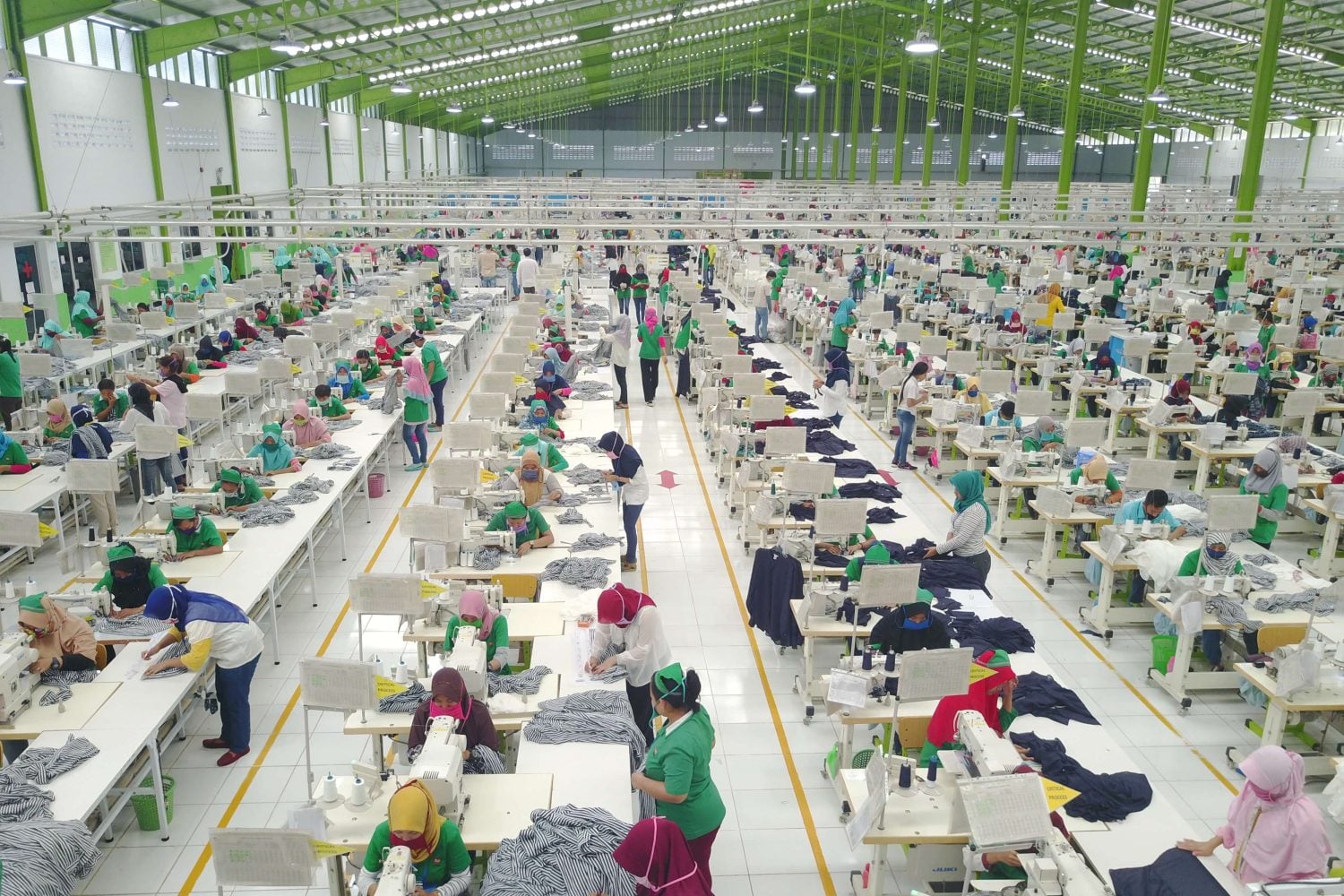
CSDDD is a directive that aims to promote sustainable and responsible corporate practices throughout companies’ operations and global supply chains. It mandates that companies recognize and mitigate negative human rights and environmental impacts both within and outside Europe.
Which Companies Will the New EU Rules Apply To?
The directive applies to both EU and non-EU companies.
- EU companies: >5,000 employees and >€1.5 billion net worldwide turnover
- Non–EU companies: >€1.5 billion net turnover within the EU
The Directive contains provisions to facilitate compliance and limit the burden on companies, both in scope and in the value chain.
SMEs
The proposed rules do not cover micro companies and SMEs. However, the Directive provides supporting and protective measures for SMEs and SMCs (Small Midcaps Companies) with no more than 500 companies, which could be indirectly affected as business partners in value chains.
What Are the Topics Covered Under CSDDD?
Human Rights:
- Child labor, forced labor
- Freedom of association
- Non-labor human rights (e.g., right to life, right to a clean environment)
Environmental:
- Soil degradation, deforestation, water pollution, and scarcity
- Waste management, biodiversity loss, climate change
Related article: How FSSC 24000 helps identify and mitigate forced labor risks in supply chains.
How Will the New Rules Be Enforced?
The rules on corporate sustainability due diligence will be enforced through administrative oversight. Member States are tasked with appointing an authority responsible for supervision and enforcement, which may issue injunctions and impose effective, proportionate, and dissuasive penalties, including fines.
Additionally, the European Commission will establish a European Network of Supervisory Authorities, comprising representatives from national bodies, to promote a coordinated approach.
What Are the Benefits of These Rules?
For citizens
- Better protection of human rights, including labor rights.
- A healthier environment for present and future generations, including climate change mitigation.
- Increased trust in businesses.
- Increased transparency to help users make informed decisions.
- Improved access to justice for victims.
For companies
- A harmonized legal framework across the EU ensures legal certainty and promotes fair competition.
- Increased trust from customers and higher commitment from employees.
- Enhanced understanding of companies’ negative human rights and environmental impacts, leading to lower liability risks.
- Enhanced risk management, improved resilience, and higher competitiveness.
- Enhanced appeal to talent, investors focusing on sustainability, and public procurement entities.
- Increased incentives for innovation.
- Better access to finance.
For developing countries
- Enhanced protection for human rights and the environment.
- Support for sustainable investment, enhanced capacity, and strengthening value chain companies.
- Improved sustainability-related practices.
- Greater adoption of international standards.
- Improved living conditions for people.
What Are the Next Steps for Companies?
Although compliance isn’t required until 2027, designing and conducting due diligence is complex and time-consuming, even for companies that have already begun. Here are several steps companies can take to prepare:
- Current state assessment: Assess internal capabilities, accountability/governance frameworks, and maturity of existing due diligence and risk management framework in own operations and in contracting.
- Engage Stakeholders: Identify and engage both internal and external stakeholders involved in HREDD. Internally, map existing roles, establish cross-functional collaboration, and assign responsibilities. Develop a structured approach to engage affected individuals and groups externally.
- Define Governance: Use stakeholder insights to create your due diligence strategy and governance structure, including accessible grievance mechanisms.
- Value chain mapping and risk prioritization: Map your company’s sequence of activities to identify where and how potential impacts could arise within your operations.
- Implementation roadmap: Develop a roadmap to implement due diligence. Be able to report by the minimum enforcement date. Update strategies, processes, and systems to align with the requirements
What Are the Key Compliance Requirements?
CSDDD key compliance requirements are as follows:
- Integrate due diligence into company policies and risk management
- Identify and evaluate actual and potential adverse impacts on human rights and the environment across the entire supply chain, from raw material sourcing to product delivery.
- Create action plans to prevent possible impacts
- Create action plans to address actual impacts
- Provide remediation for actual impacts
- Meaningful stakeholder engagement
- Set up mechanisms for grievances and complaints
- Monitor using quantitative and qualitative KPIs
- Issue an annual report
What Is the Timeline for Implementing the Requirements of CSDDD?
EU Member States have two years from the date of enforcement to transpose the Directive into national law by 26 July 2027. One year later, the rules will start to apply to the first group of companies, following a staggered approach (with full application on 26 July 2029).
Phased-in application: The CSDDD will be enforced with a phased-in approach based on company size and turnover, starting three years from entry into force, and grouped as follows:
- 3-year period for companies with over 5000 employees and EUR 1500 million turnover (from 2027)
- 4-year period for those with over 3000 employees, EUR 900 million turnover (from 2028)
- 5-year period for companies with over 1000 employees and EUR 450 million turnover, and for companies having entered into franchising or licensing agreements with over EUR 80 million turnover in the EU and EUR 22.5 million in royalties (from 2029).
How Does FSSC 24000 Align With CSDDD?
FSSC 24000 aligns with the CSDDD across several key areas, supporting organizations in meeting their compliance obligations:
- Due Diligence: Provides tools for conducting thorough risk assessments, establishing corrective actions, and monitoring the effectiveness of measures within supply chains.
- Human Rights and Social Responsibility: Focuses on social sustainability by promoting workplace fairness, health, and safety while addressing key labor rights and social justice.
- Supply Chain Transparency: Encourages transparency across the supply chain by implementing a system that monitors supplier practices and verifies compliance.
- Accountability and Reporting: Provides a management system approach to document and communicate compliance, facilitating reporting to stakeholders and authorities.
- Continuous Improvement: Promotes ongoing evaluation and enhancement of the social management system to adapt to new risks and opportunities.
Conclusion
The FSSC 24000 Certification Scheme comprehensively addresses the social requirements of the CSDDD. Its core principles include proactively managing risks, establishing policies, implementing those policies, conducting risk assessments, following a Plan-Do-Check-Act cycle to prevent or resolve issues, and reporting. The Certification Scheme focuses on continuous improvement with a commitment to increased efficiency and effectiveness. It aims to ensure organizations provide safe and fair working conditions, meet business ethics requirements, and apply due diligence in their supply chain management.