Kelly Mulholland from Foundation FSSC joined Leanne Singleton from FoodSure for a discussion organized by Senara Learning. The session explored how organizations can cut Food Loss and Waste, and boost efficiency.
Recently, Kelly Mulholland from Foundation FSSC joined Leanne Singleton from FoodSure for a focused discussion organized by Senara Learning Ltd. The session explored how manufacturers can cut waste and boost efficiency, with Kelly sharing exclusive early insights from Foundation FSSC’s global Food Loss and Waste (FLW) survey.
Foundation FSSC recently surveyed over 600 Certified Organizations to gain a better understanding of the status of their food loss and waste journeys. While the data is still being fully analyzed, the preliminary results offer a fascinating snapshot of the methodologies used, as well as the real-world benefits and challenges organizations face today.
The Current State of Measurement: Weight & Spreadsheets
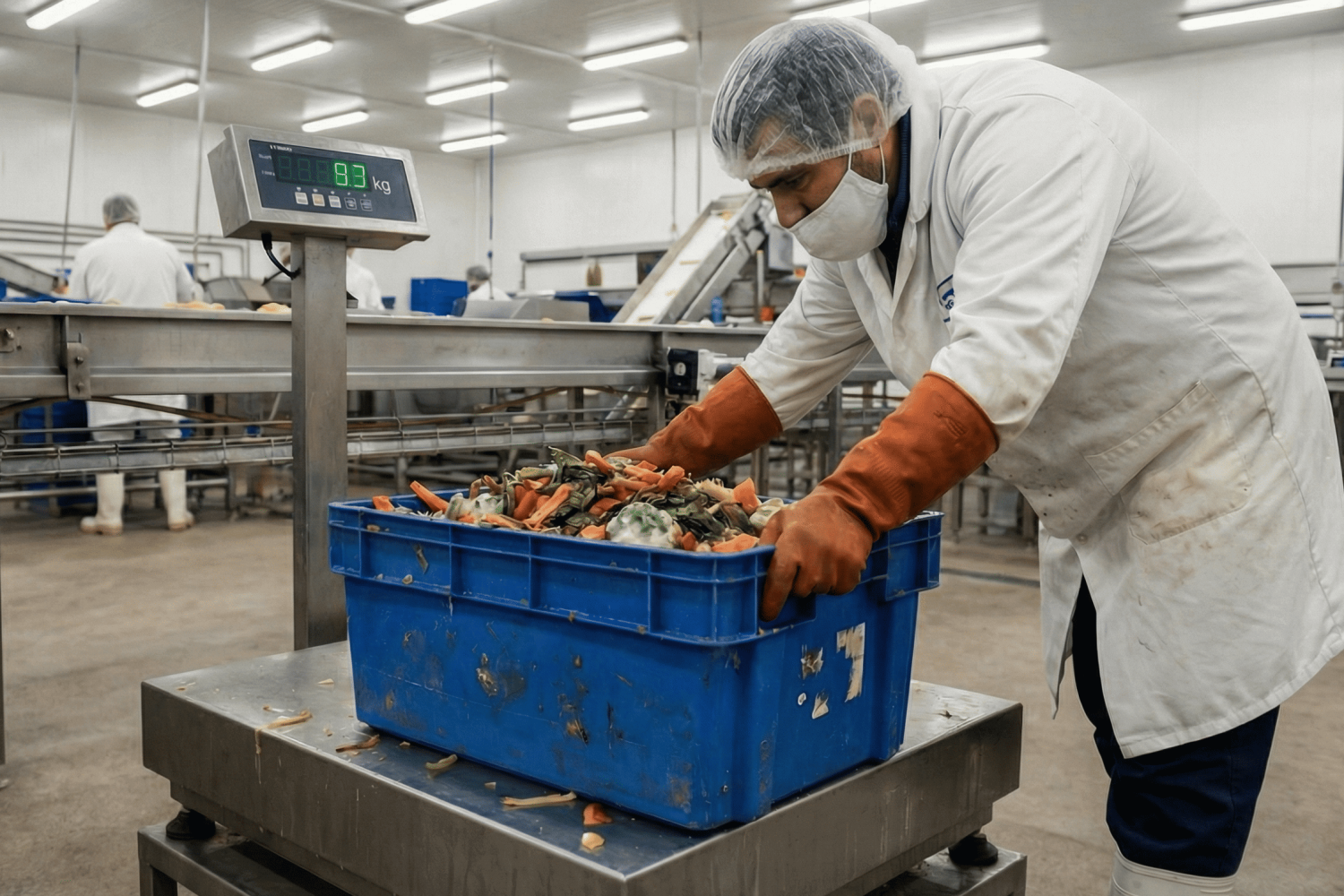
To manage waste effectively, you must first accurately measure it. The survey results revealed that the most common unit of measure is weight (by kilograms or tonnes), followed by percentage, volume (liters), and economic value. Many organizations noted that they use a combination of these metrics, as well as measuring in counts such as number of units or pieces.
Regarding the tools used for quantification, the feedback was revealing. Majority of organizations are still utilizing traditional methods like Excel spreadsheets, as well as ERP systems such as SAP amongst others.
Verifying the Data
Organizations reported using a variety of intensive verification methods to ensure their data remains accurate, including but not limited to the following:
- Calibration: Using calibrated measuring equipment such as weighing scales and flow meters.
- Reconciliation: Conducting mass balance exercises (input vs. output) and comparing production records with raw material usage and finished goods.
- Internal audits and Cross-Departmental Reviews: Undertaking regular internal audits, as well as cross-departmental reviews involving Production, QA, and Finance to ensure data consistency and alignment.
- Physical Checks: Visual inspections and confirmations of disposal processes and on-site verification of waste removal and weighing at the time of disposal.
Key Learnings of the Survey
Some of the key learnings experienced by the organizations sampled included:
- The importance of accurate data collection, as consistent recording and monitoring are essential for identifying waste hotspots, and enabling targeted interventions.
- Employee awareness and engagement was also another key learning, as training and cultural change plays a significant role in reducing waste. This involves frontline staff, leading to practical solutions.
- Identifying that process optimization, and even small operational improvements, can yield big reductions, and better planning and forecasting reduce overproduction and spoilage.
- Then cross-functional collaboration is also another important learning – alignment between production, QA, logistics, and procurement, for example, are critical to FLW reductions, and communication and teamwork prevent losses across the supply chain as well.
The Challenges: Why Reduction is Hard
While the intent to reduce waste is strong, the survey also highlighted some hurdles. A major challenge reported was the complexity of data collection. Tracking losses across multiple stages can be resource-intensive, and many organizations struggle with the lack of a standardized method or tool.
A lack of baseline data, also makes it difficult when comparing year-on-year reductions.
Beyond the complexity around data collection, the “human factor” was identified as an important aspect. Behavioral and cultural resistance were cited as a key challenge, as changing long-standing habits and attitudes among staff can be difficult, and low initial awareness on FLW amongst staff and management also poses a challenge.
Furthermore, organizations face technological and infrastructure limitations. Common issues included the need for investment in monitoring systems and calibrated equipment, and a limited capacity for advanced waste segregation on-site.
The Benefits: Why it’s Worth the Effort
Despite the challenges, the survey confirmed that the return on investment for FLW strategies is significant. Here are a few reasons why:
- Cost Savings: This was the most frequently mentioned benefit. Organizations reported financial gains through reduced waste disposal fees, savings on energy and water consumption, improved financial performance and profitability, and lower raw material costs. By minimizing production losses and nonconforming products, companies use a higher proportion of purchased raw materials more effectively, and less material ends up as waste, reducing the need for additional purchases and directly improving profitability.
- Process Improvement: Reducing waste is synonymous with increasing operational efficiency. Respondents noted benefits such as yield optimization, reduced rework, fewer non-conforming products, and improved equipment utilization (less downtime).
- Compliance and Reputation: Beyond the factory floor, reduction efforts led to a lower carbon footprint and reduced greenhouse gas emissions. This strengthens an organization’s sustainability credentials, positively impacting brand image, and increasing stakeholder trust.
Conclusion & Next Steps
These early insights demonstrate that while accurate data collection and cultural change remain challenging, the operational and financial rewards of reducing food loss and waste are undeniable.
Foundation FSSC looks forward to further analyzing this data to identify key learnings that can continue to support certified organizations on their food loss and waste journey. Stay tuned for further insights as we complete our analysis.