EFRAG, the European Financial Reporting Advisory Group, is the EU’s advisory body on corporate reporting.

What is EFRAG?
EFRAG stands for the European Financial Reporting Advisory Group. It is the EU’s advisory body on corporate reporting and helps develop technical advice on sustainability and financial reporting standards, including the European Sustainability Reporting Standards ESRS under the Corporate Sustainability Reporting Directive (CSRD).
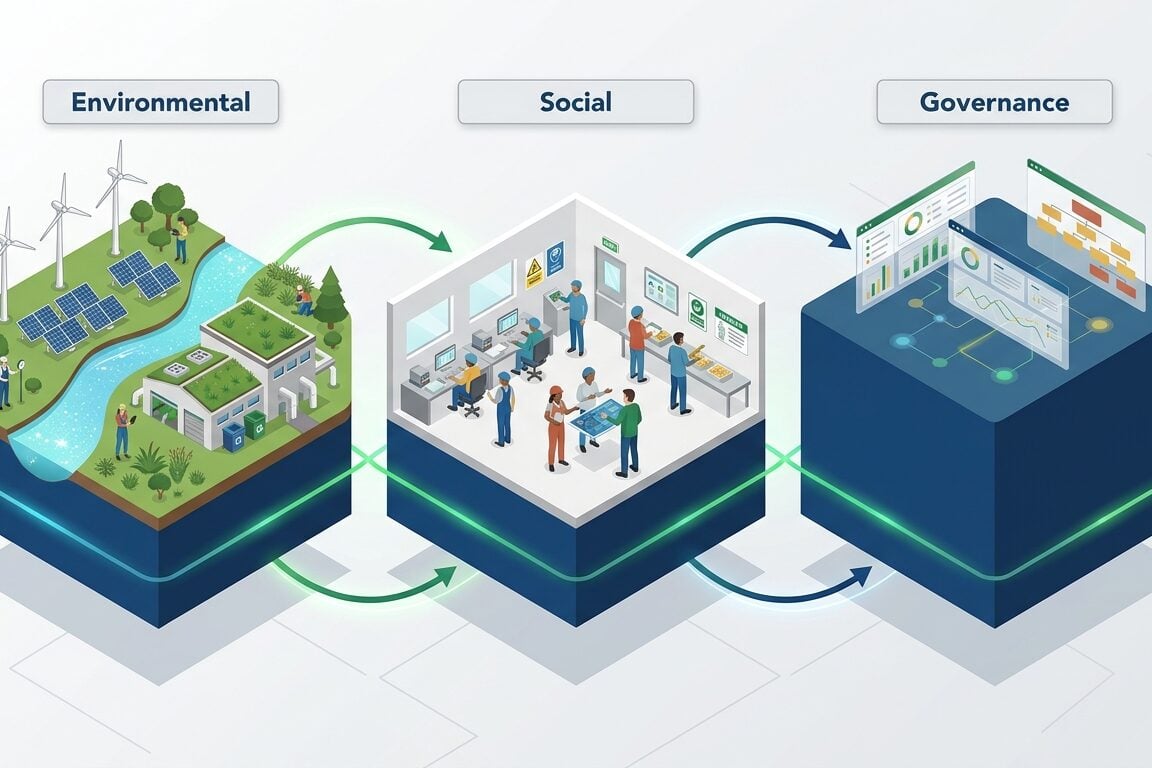
ESRS offers a framework for companies to disclose information on environmental, social, and governance (ESG) issues. Drafted by the European Financial Reporting Advisory Group (EFRAG), these standards are mandatory for all companies regulated under the Corporate Sustainability Reporting Directive (CSRD).
What does EFRAG do?
EFRAG’s mission is to represent the European public interest in financial and sustainability reporting by advancing and advocating European perspectives in corporate reporting.
EFRAG’s work is structured around two main pillars:
- Financial Reporting Pillar: EFRAG influences the development of IFRS Standards from a European perspective, contributing to capital markets’ efficiency and offering endorsement advice to the European Commission.
- Sustainability Reporting Pillar: EFRAG develops draft EU Sustainability Reporting Standards (ESRS) along with related amendments for the European Commission.
Financial reporting
In its financial reporting activities, EFRAG ensures that the European views are properly considered in the International Accounting Standards Board’s (IASB) standard-setting process and in related international debates. EFRAG ultimately provides advice to the European Commission on whether newly issued or amended International Financial Reporting Standards (IFRS) meet the criteria of the International Accounting Standards (IAS) Regulation for endorsement for use in the EU, including whether endorsement would be conducive to the European public good.
Sustainability reporting
In its sustainability reporting activities, EFRAG provides technical advice to the European Commission in the form of draft European Sustainability Reporting Standards (ESRS) elaborated under a robust process and supports the effective implementation of ESRS.
How is EFRAG funded?
EFRAG’s funding comes from the European Union and Member Organizations. The EU provides funding through grants, while Member Organizations contribute financially, provide in-kind support, and participate in governance groups such as the EFRAG Administrative Board, the Financial Reporting and Sustainability Reporting Boards, Technical Expert Groups (TEG), and other committees. The Administrative Board President and Board Chairs are paid, whereas the TEG Chairs and the CEO are EFRAG employees.
EFRAG is co-funded by the European Union through the Single Market Program, in which the EEA-EFTA countries (Norway, Iceland, and Liechtenstein) and Kosovo participate.
EFRAG contributed to the European Commission’s consultation on the next Multi-annual Financial Framework (MFF), underscoring its crucial role in ensuring EU corporate reporting standards are robust, transparent, and aligned with the EU´s economic and sustainability objectives.
What is the EFRAG Strategy 2024-2027?
The EFRAG 2024-2027 Strategy is divided into two main areas:
- Strategic objectives and priorities related to EFRAG’s technical work and advice to the European Commission, which encompasses a financial reporting and sustainability reporting pillar.
- Objectives related to EFRAG’s governance, funding, and administration are prerequisites for its technical work and advice to Europe. These objectives ensure that IFRS Accounting Standards are endorsed, that European Sustainability Reporting Standards (ESRS) are developed through an inclusive process, and that EFRAG remains an attractive organization. These goals help EFRAG manage the post-reform phase by integrating sustainability reporting into its governance.
EFRAG’s Commitment to Rigorous Due Process (formal process) in Reporting
Importance of Transparent Procedures
EFRAG highlights a transparent, inclusive process that involves public discussions, open consultations, and published documents to collect feedback on European issues. This approach helps build trust through excellence, transparency, governance, accountability, and leadership. It reinforces EFRAG’s position as a credible and unified European voice in corporate reporting. Upholding a strict, transparent due process is essential for maintaining credibility and independence.
Due Process for Financial Reporting
EFRAG follows a formal due process for financial reporting that emphasizes public oversight and transparency. Its main elements include:
- Publication of draft comment letters, endorsement advice, and position papers for public feedback.
- Publication of final comment letters and due process feedback reports.
- Publication of received comment letters (unless confidentiality is requested).
- Publication of summary reports on outreach, field tests, and surveys.
- Provision of timely endorsement advice to the European Commission on IFRS Standards.
Due Process for Sustainability Reporting
The ‘Due Process Procedures for EU Sustainability Reporting Standard Setting’, accessible via the provided link, outlines the systematic and transparent process for developing sustainability reporting standards.
Oversight of Due Process Procedures
The EFRAG Administrative Board, with support from the Due Process Committee (DPC), manages EFRAG’s due process. Its responsibilities encompass:
- Due process oversight of all technical bodies.
- Ensuring an open and transparent due process, including public consultation on draft positions and standards.
- Monitoring the due process system used by reporting boards and technical expert groups, and evaluating its effectiveness.
Conclusion
EFRAG acts as the EU’s main technical body, connecting European interests with international and regional standard-setters. It provides advice on IFRS endorsement and influences sustainability reporting through the ESRS. Supported by EU and member funding and governed by a transparent, consultative process, it is key to maintaining credible, harmonized EU corporate reporting that aligns with the bloc’s economic and sustainability objectives.